Slow‑looking in the South of France – finding magic in ordinary streets
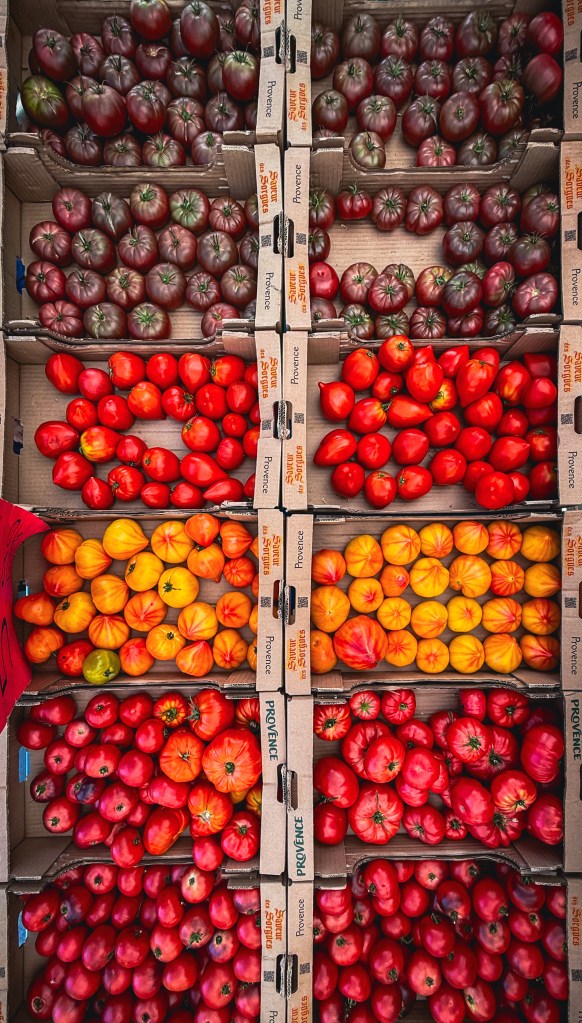
We travel to chase famous landmarks, grand viewpoints and postcard‑perfect sights. But so much of the soul of a place hides in the unplanned corners: market crates overflowing with heirloom tomatoes, weathered wooden doors, sun‑dappled alleyways, hands still shaping clay in an old workshop. This is the quiet adventure of the zen lens: slowing down enough to truly see.
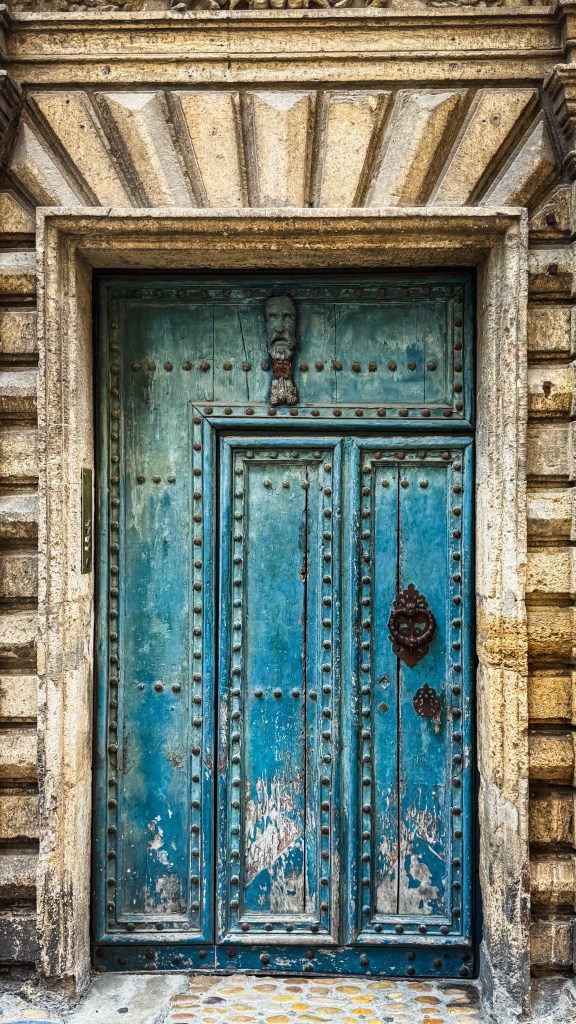
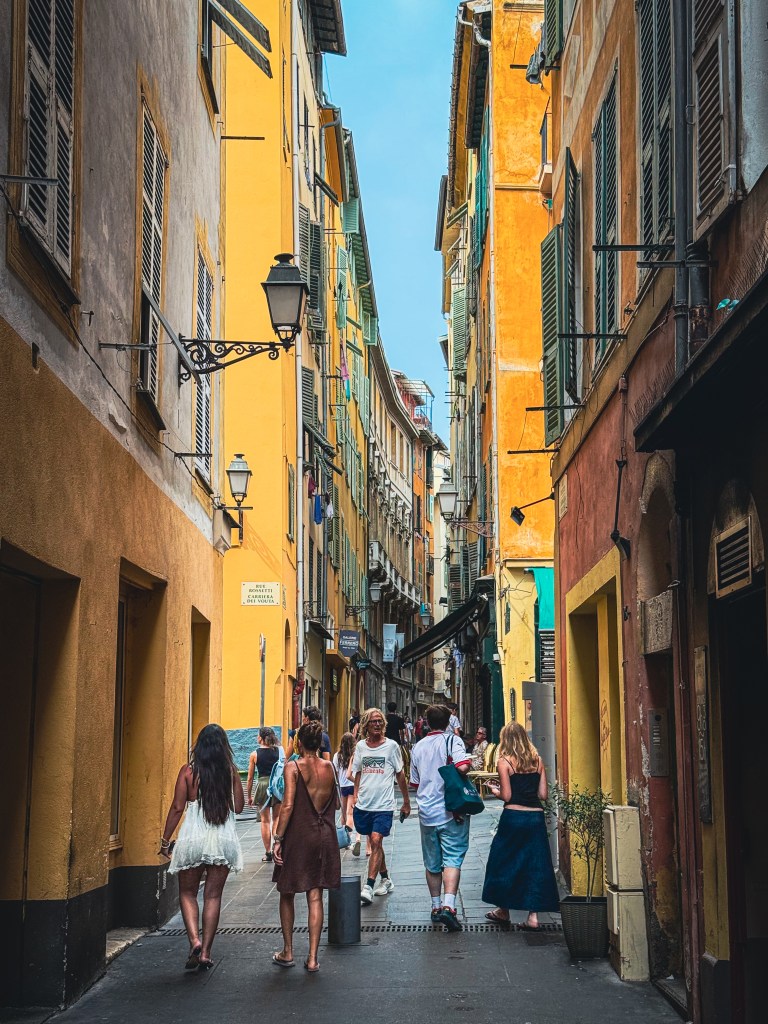
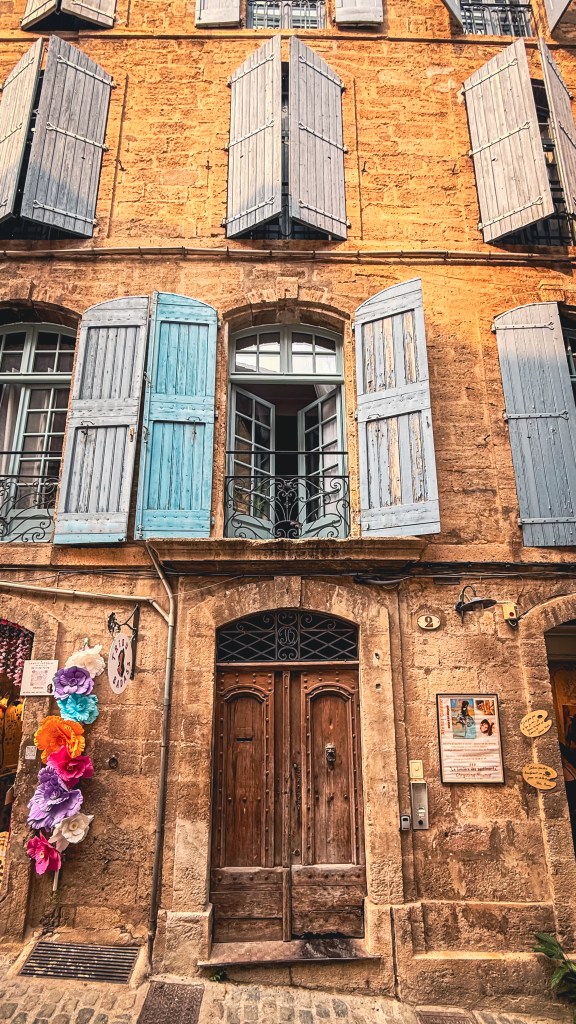
When you wander the old towns of the French south, you learn to stop rushing from one monument to the next. You pause at the market stalls where crates brim with multi‑toned Provence tomatoes, deep indigo‑purple, fiery red and sun‑kissed gold‑orange. These are not just vegetables; they are colour poetry, a celebration of local soil and summer sun, captured in simple cardboard boxes.
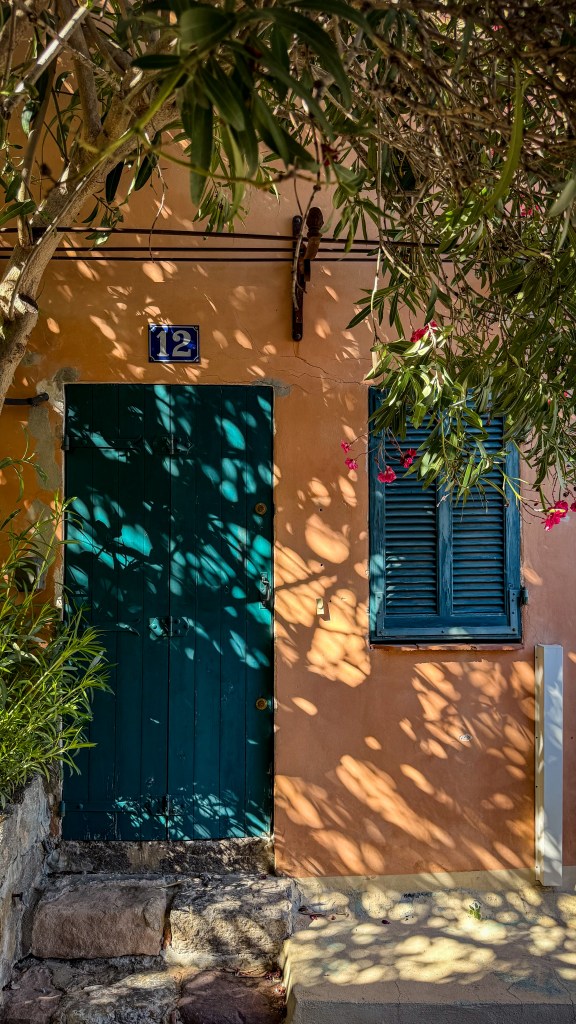
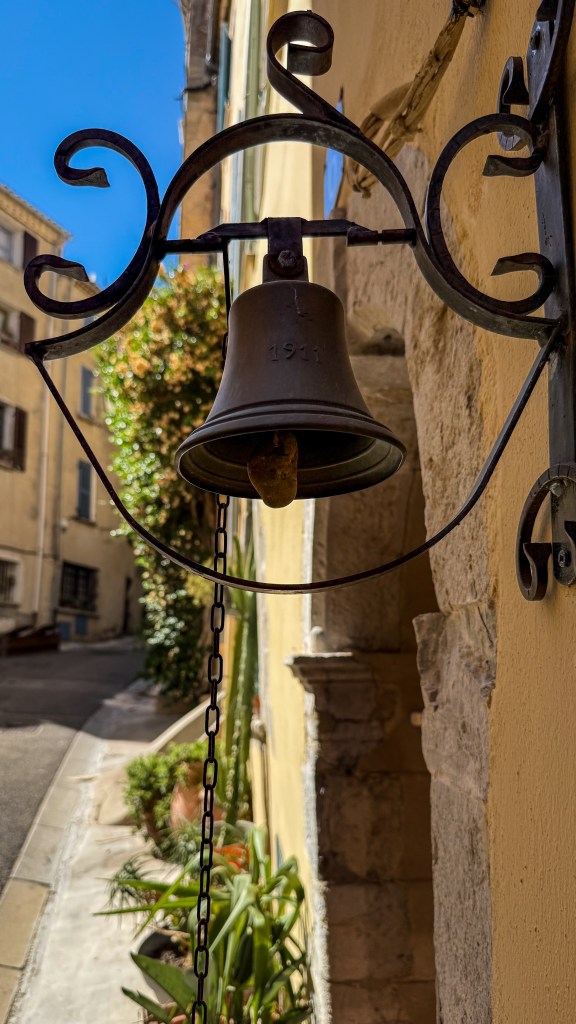
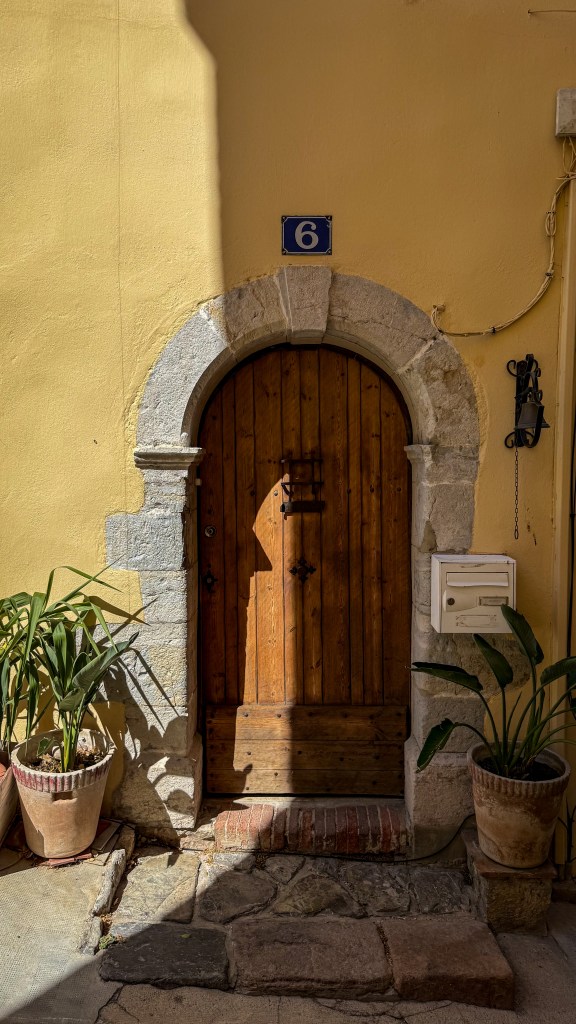
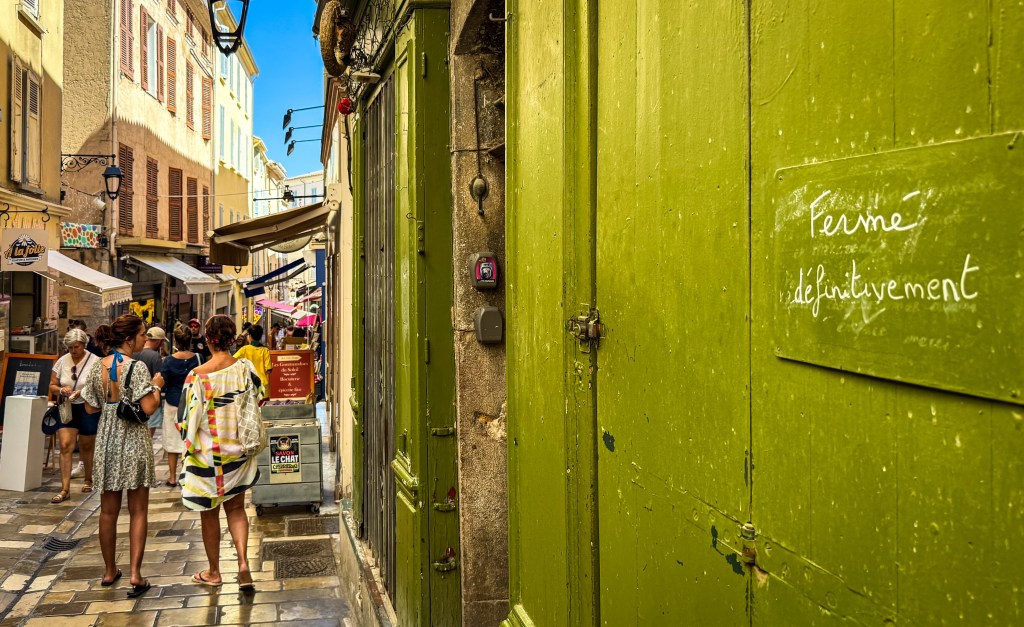
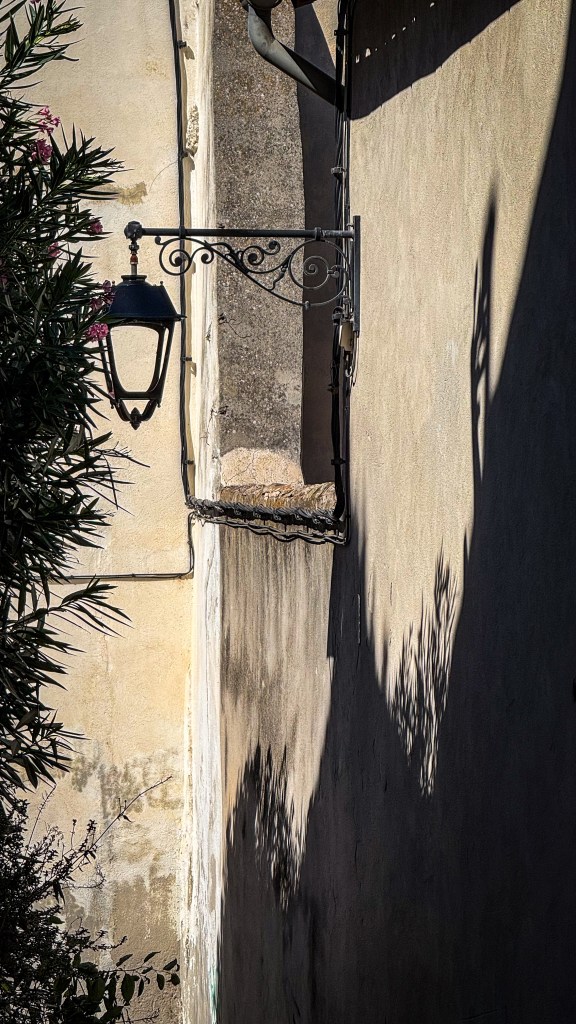
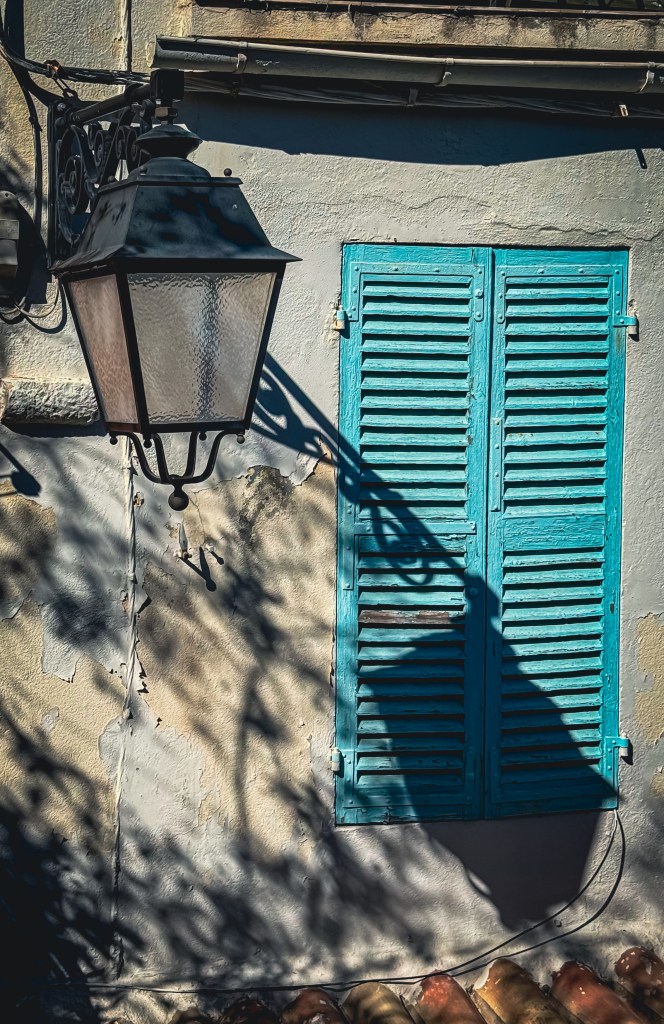
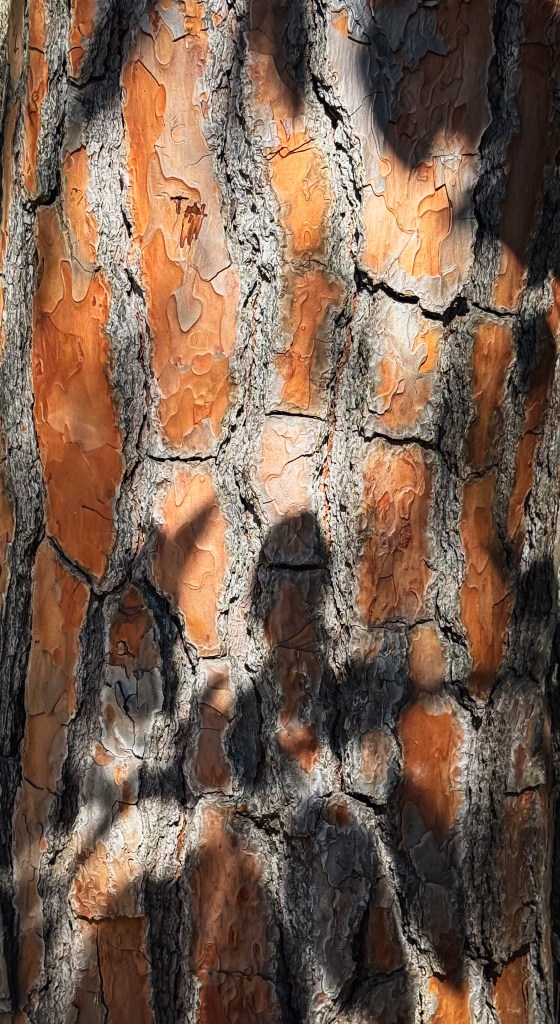
Walk deeper into the labyrinth of narrow streets. Every turn brings a new quiet discovery. Faded turquoise wooden doors with peeling paint, heavy iron knockers and ancient stone archways hold centuries of stories behind them. Bright‑coloured shutters glow against pale plaster walls; old‑forged street‑lamps cast long sharp shadows across stucco facades, oleander leaves draw lace‑like patterns in bright Mediterranean sunlight. A weathered tree bark texture reminds you of time’s slow, gentle erosion on all things.
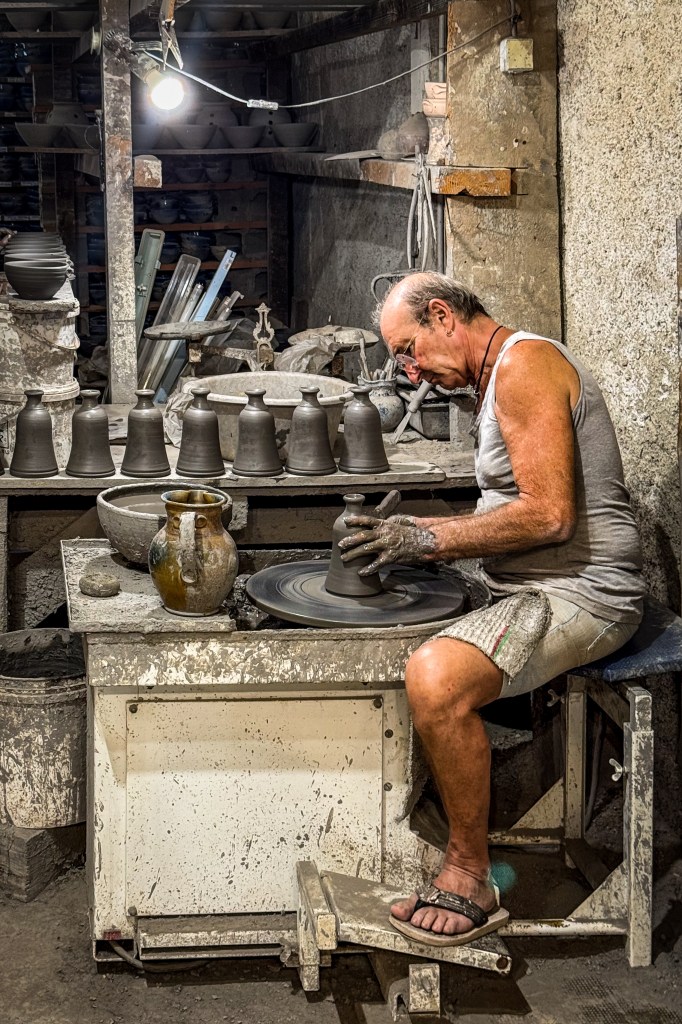
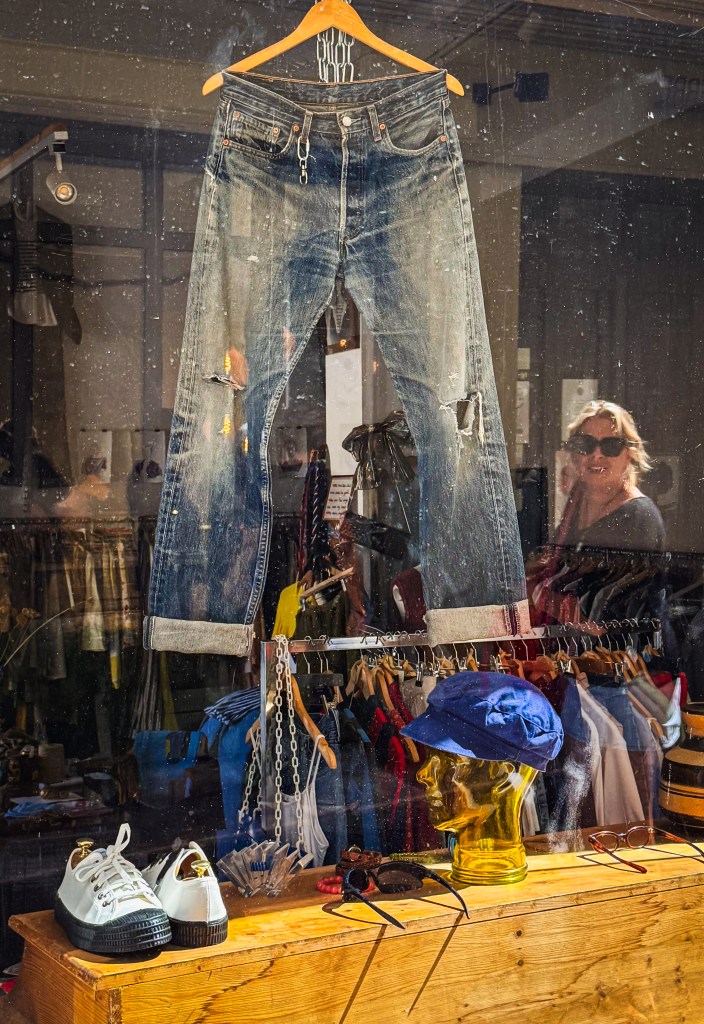
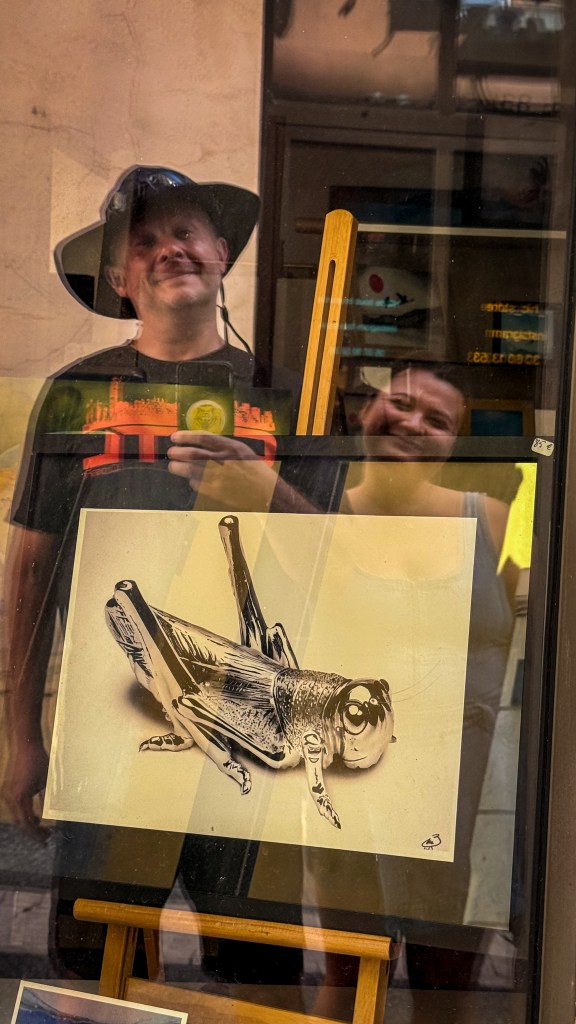
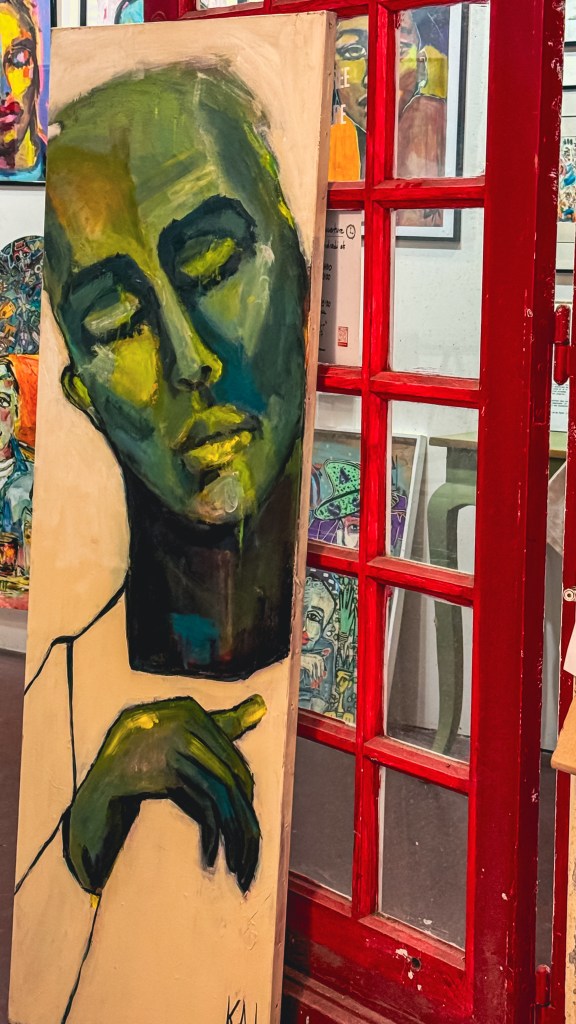
Down one lane you might stumble upon a pottery workshop. An artisan sits at his wheel, hands covered in wet clay, breathing shape into raw earth. No crowds, no fanfare, just timeless craft, a human rhythm unchanged for generations. Around the corner, street‑art prints sit in a shop window, reflections blending passers‑by with graphic art, where creativity spills out onto the public street.
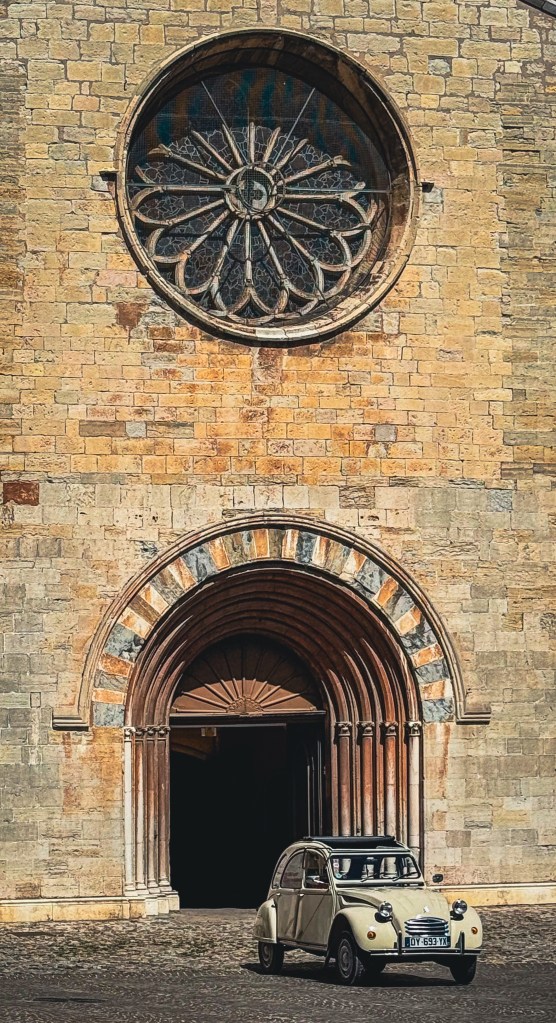
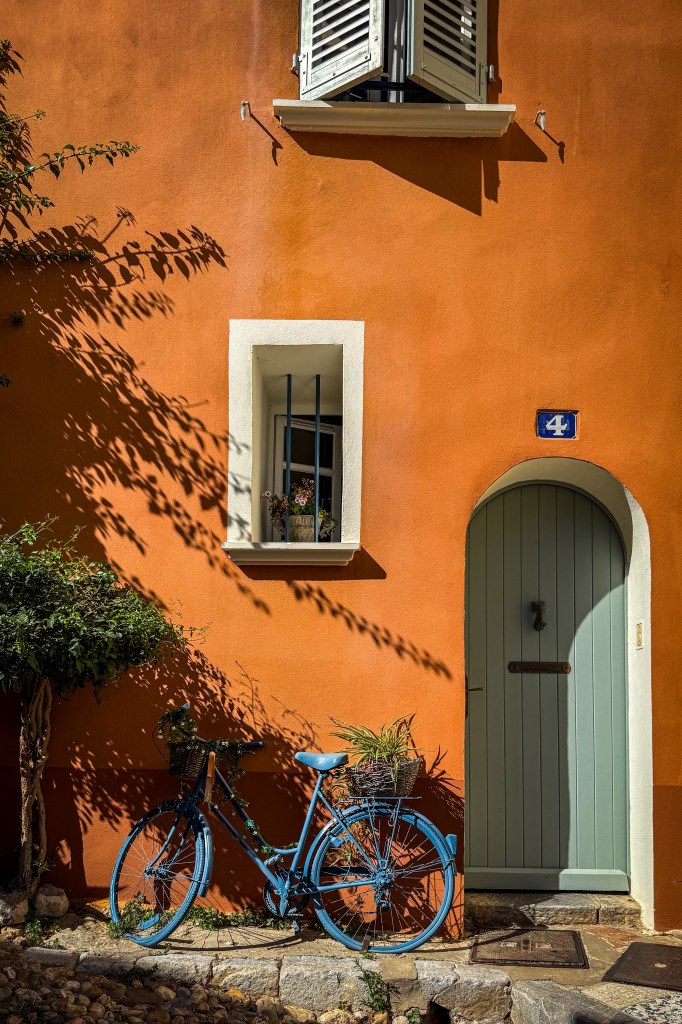
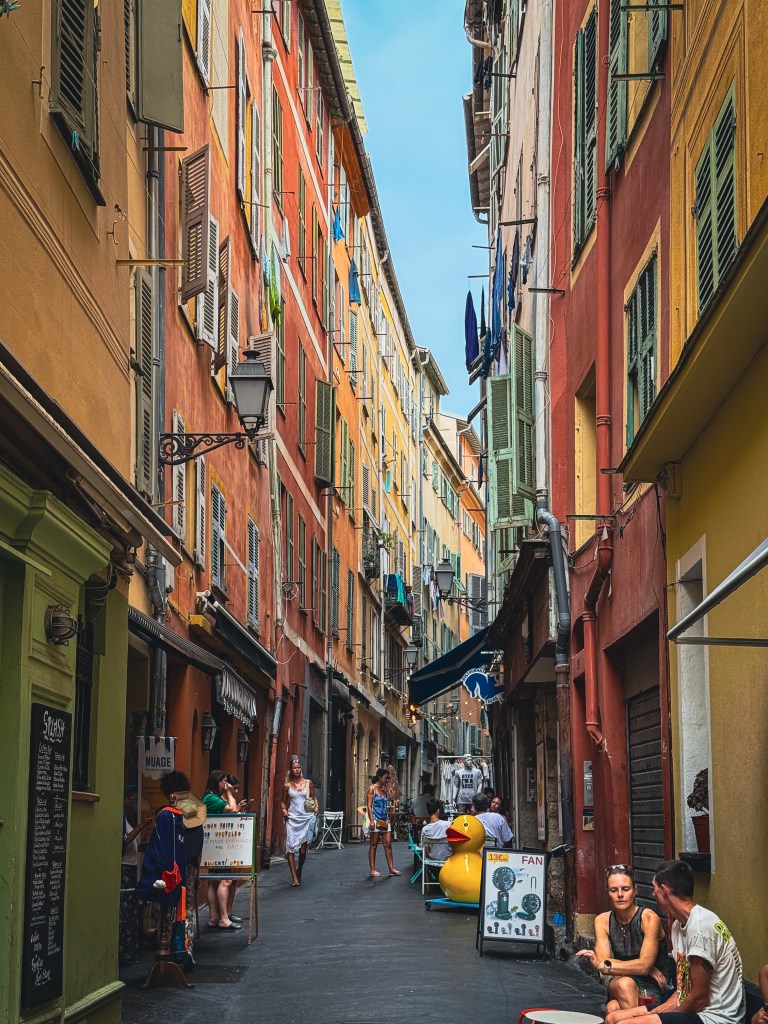
Old stone churches with rose‑window tracery frame vintage cars parked on cobblestones, merging medieval heritage with everyday local life. Bustling pedestrian lanes hum softly: locals chatting, small café tables spilling out onto the pavement, laundry strung between colourful multi‑story buildings. Life unfolds unscripted, right in front of your eyes.
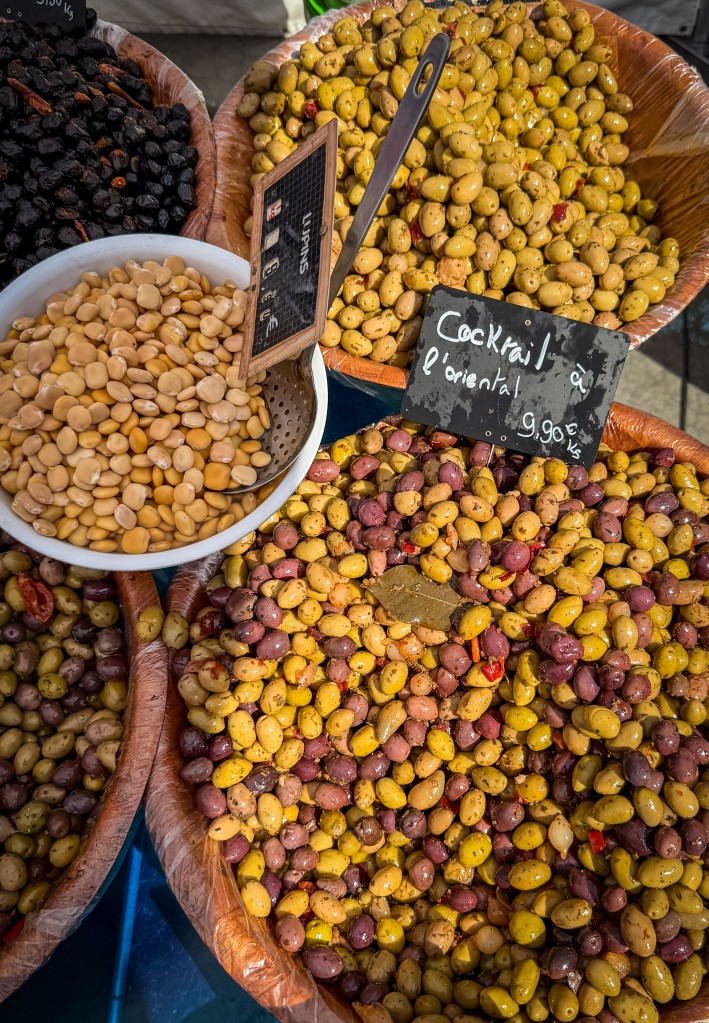
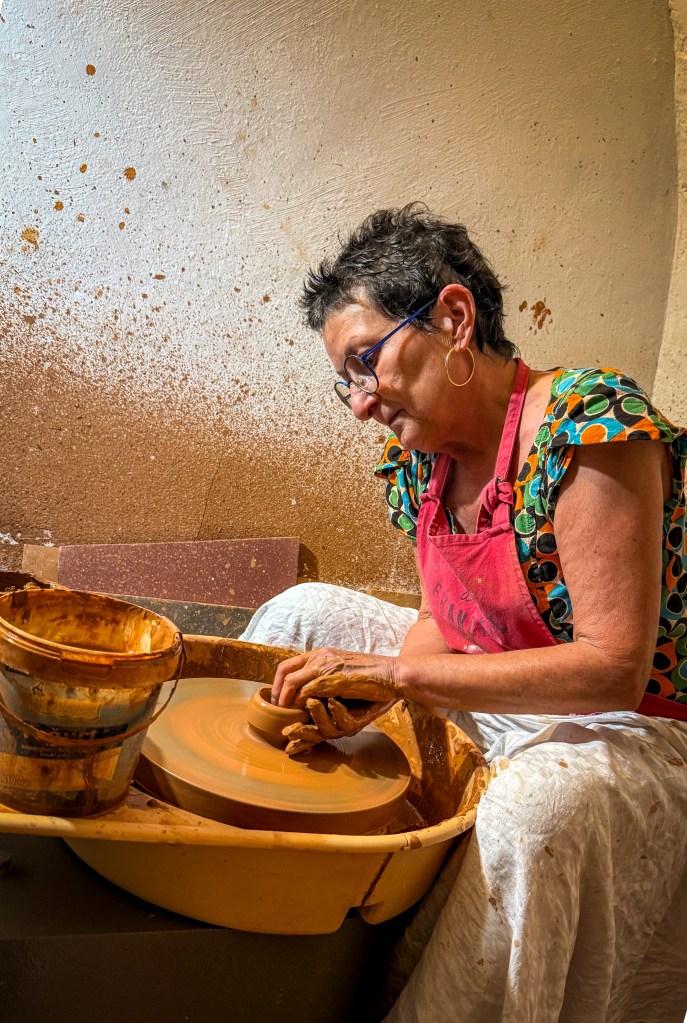
This is what I call a zen‑lens adventure. It is not about ticking tourist boxes. It is about practising slow‑seeing. To notice texture in cracked plaster, the warmth of sunlight hitting old wood, saturated market hues, the dignity of hands doing honest manual work. It is finding wonder not far away, but right here, in the ordinary.

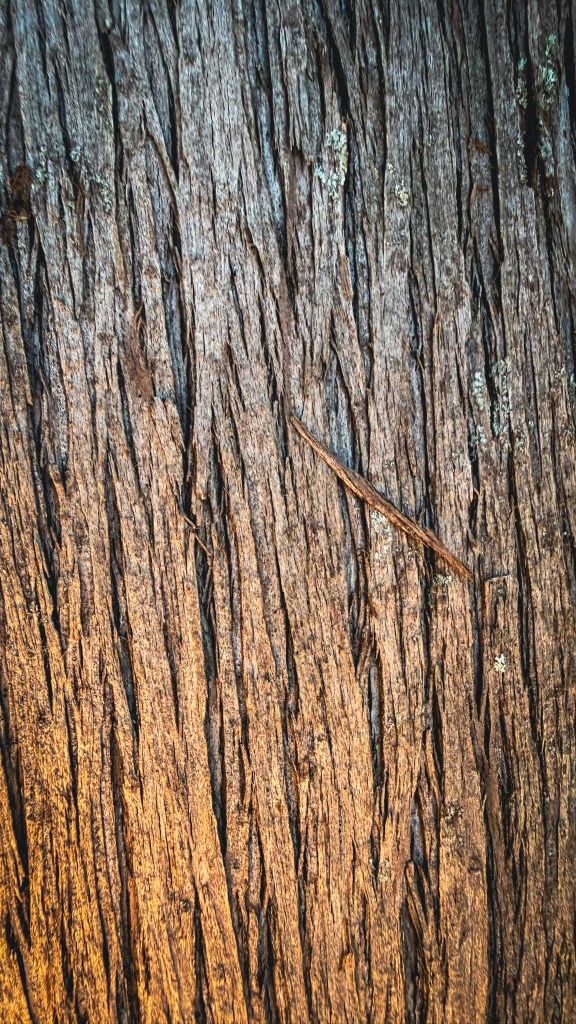
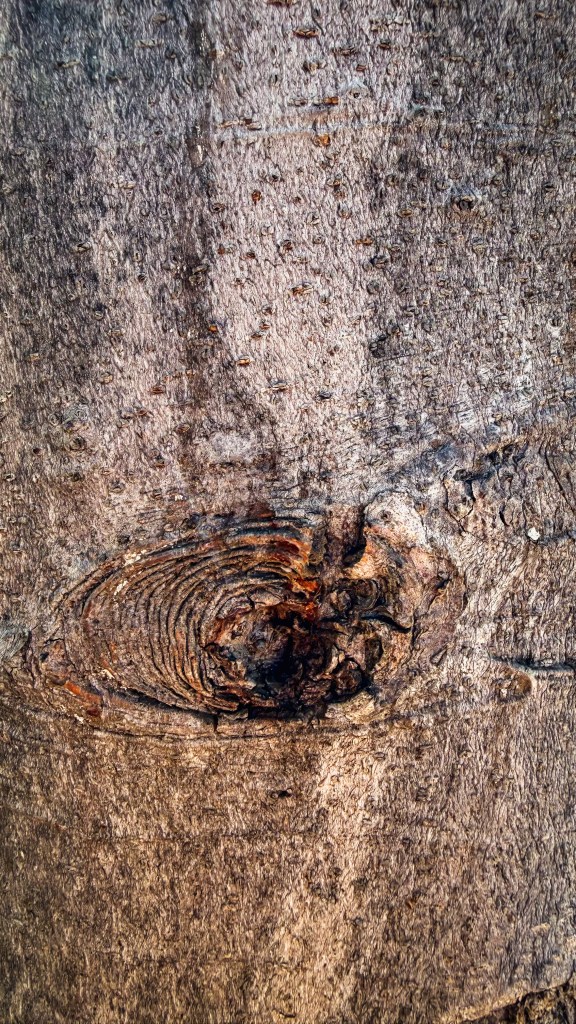
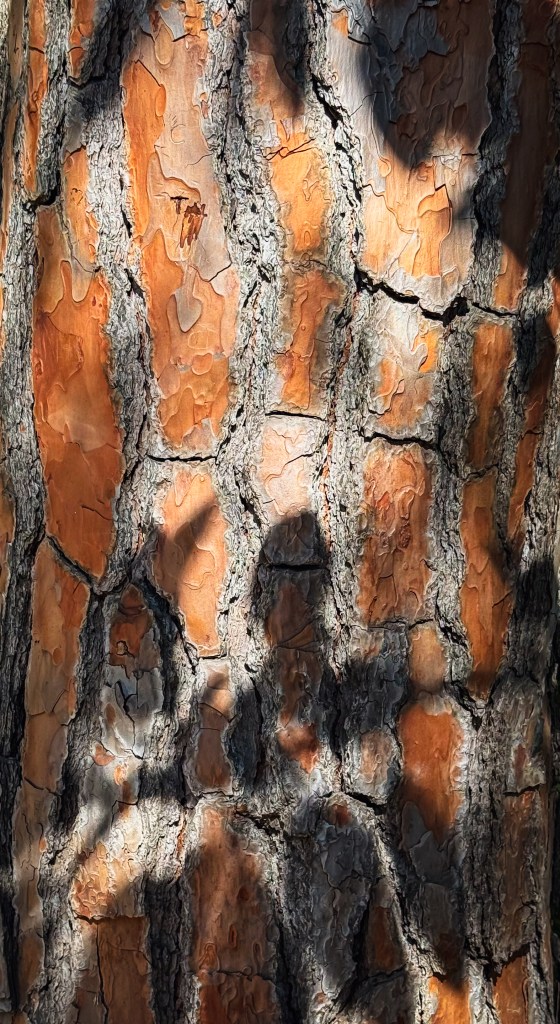
The camera becomes a tool for presence. When you lift it to frame a weathered doorway, a crate of tomatoes or a craftsman absorbed in his work, you are forced to breathe, to observe, to be fully present in the moment. You stop looking for something spectacular, and start seeing the spectacle that is already there.
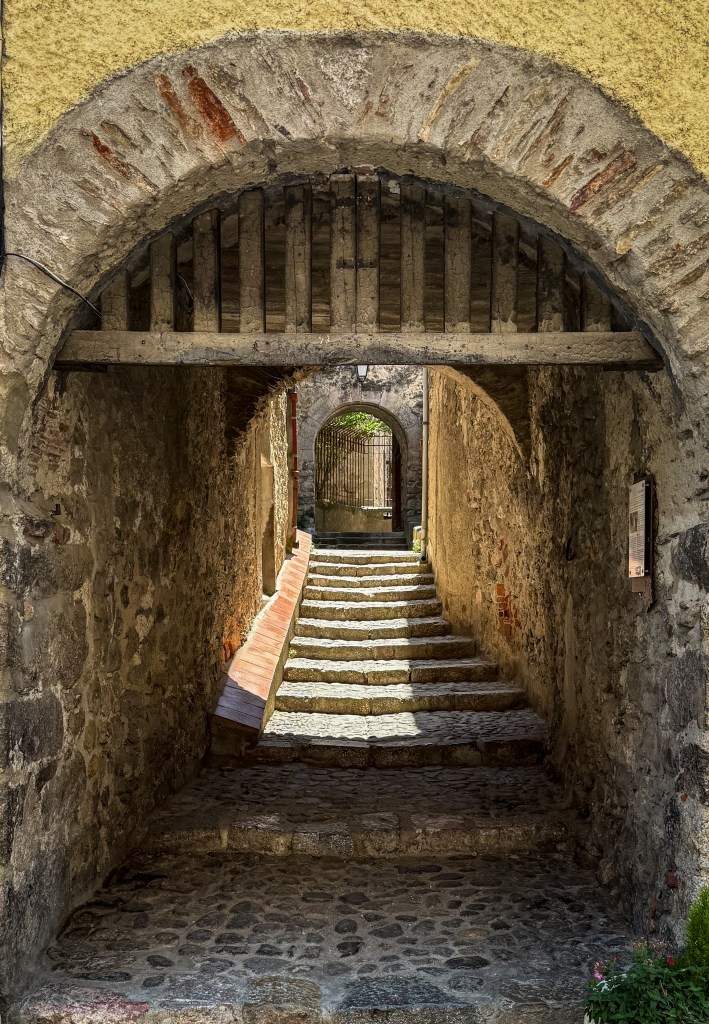
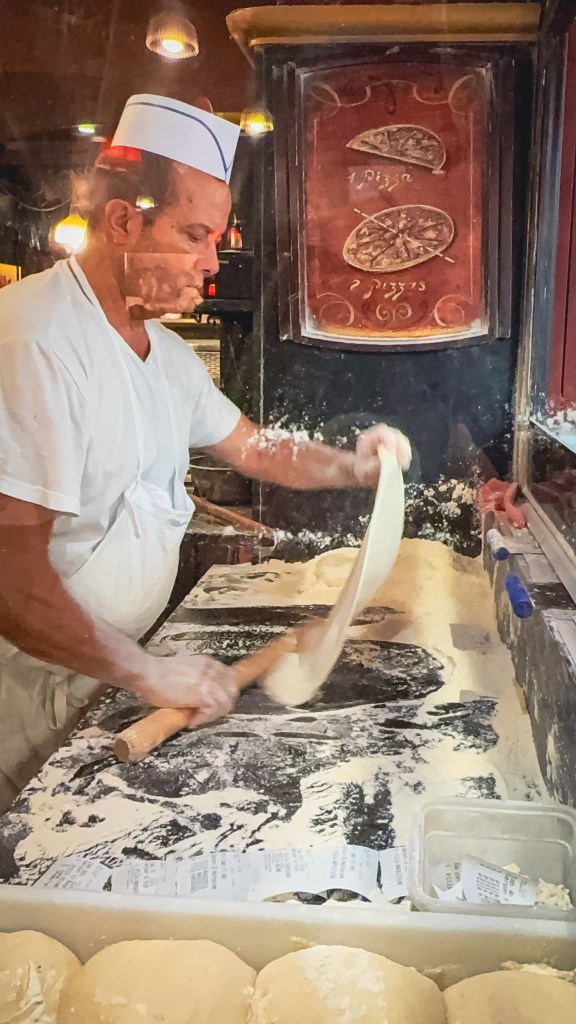
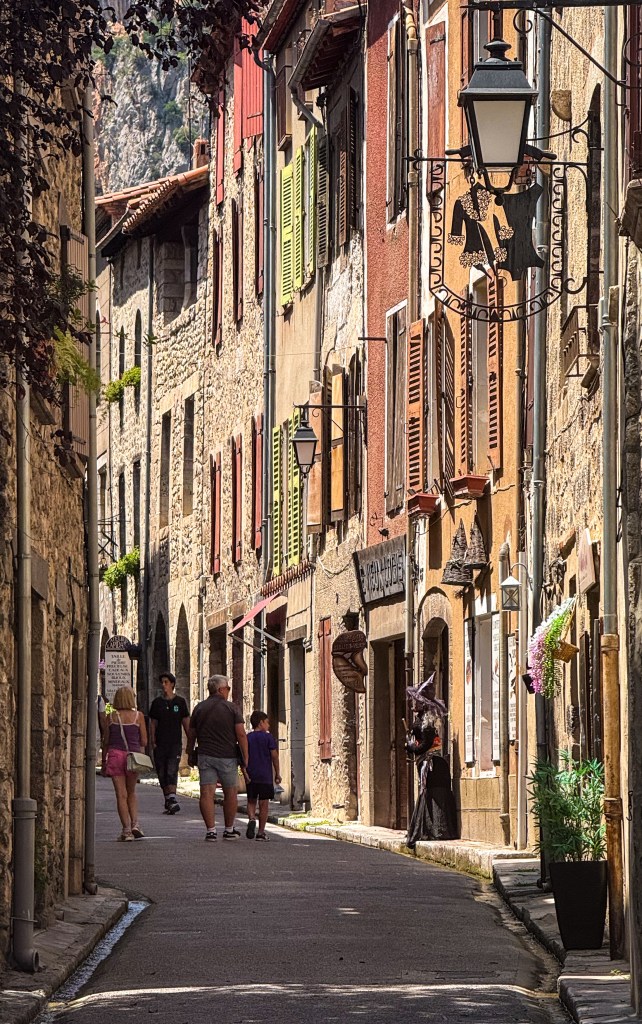
Travel does not always mean climbing mountains or visiting famous sites. Sometimes the greatest adventure is simply walking slowly through an old town, opening your eyes, and letting small, unremarked moments touch you.

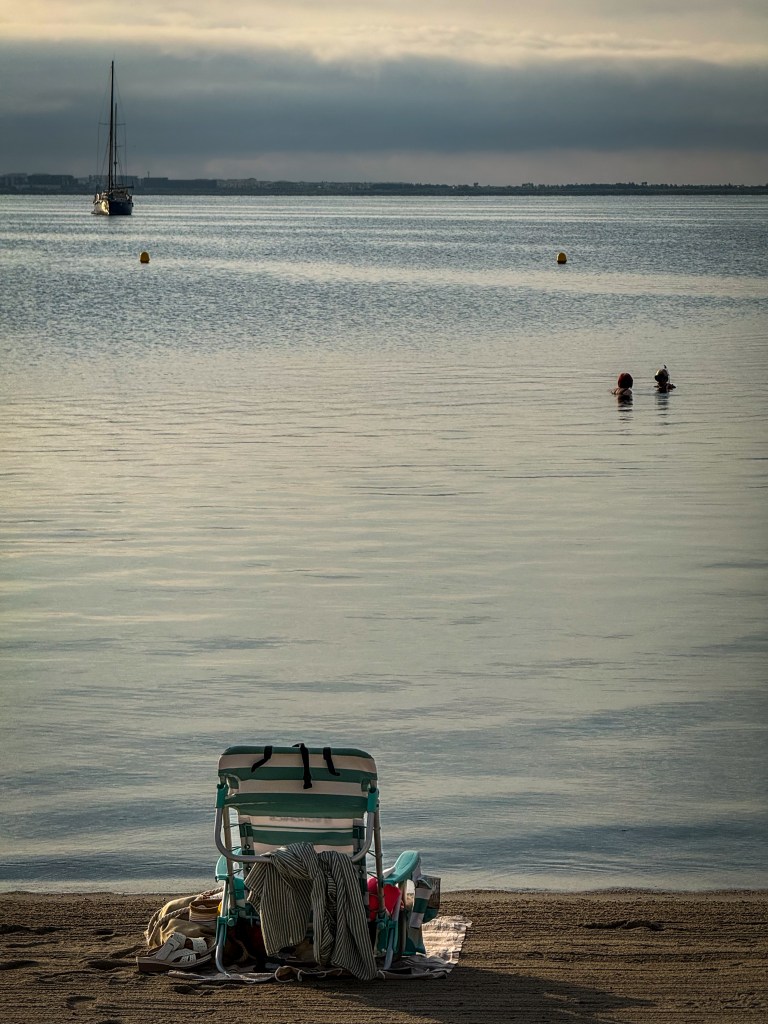
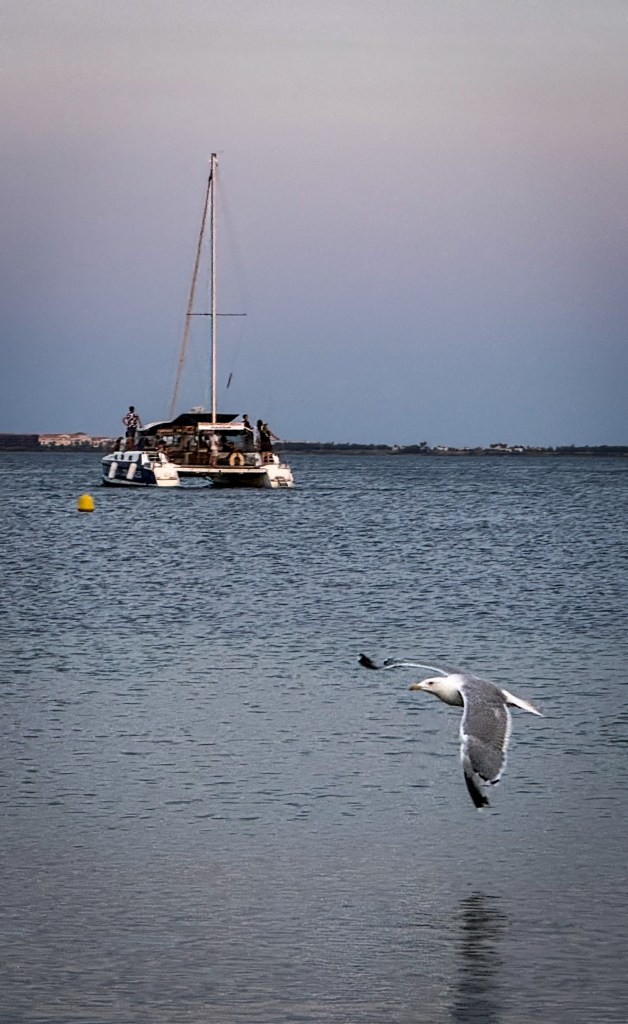
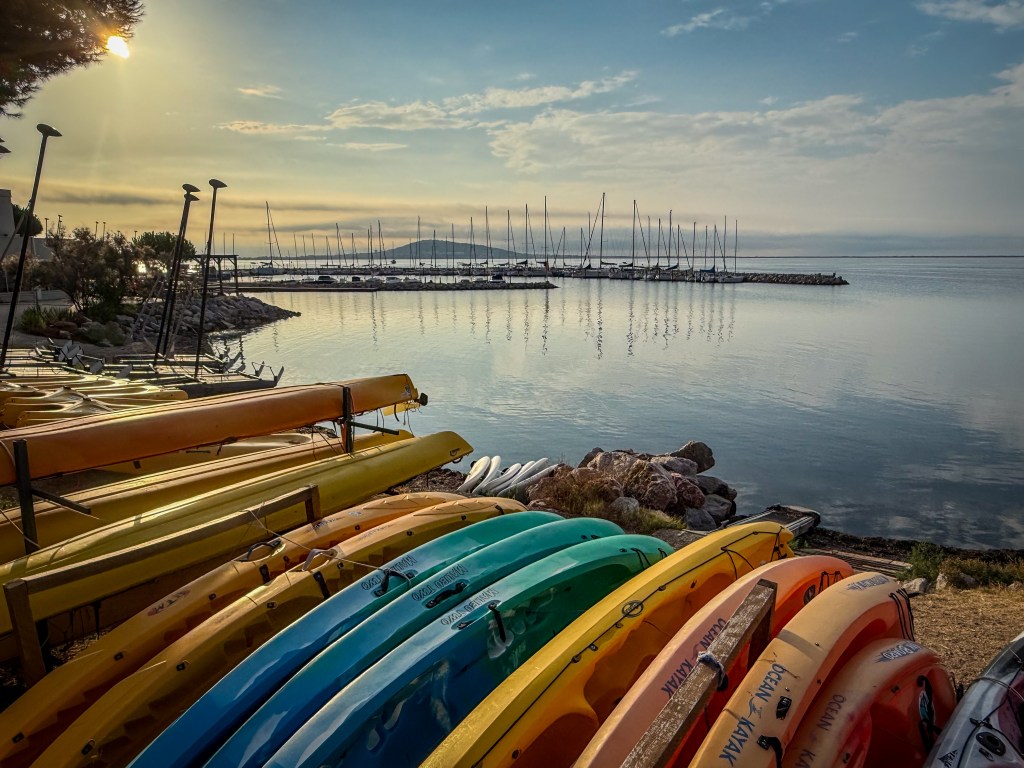
These photographs are fragments of that mindset: snapshots from days where I put aside my itinerary, wandered without hurry, and let the streets speak. Beauty lives in the worn edges, the faded paint, the hands at work, the abundant produce of the land. All you need to do is slow down long enough to notice it.


